A summer itinerary can look reasonable on a map and feel punishing by lunchtime. Shanghai, Suzhou, Hangzhou and Nanjing all have long outdoor walks on a typical visitor’s list. In July and August, heat and humidity can reduce the comfortable walking hours dramatically. The answer is to redesign the day, not just bring a bigger water bottle.

Put the exposed walk first
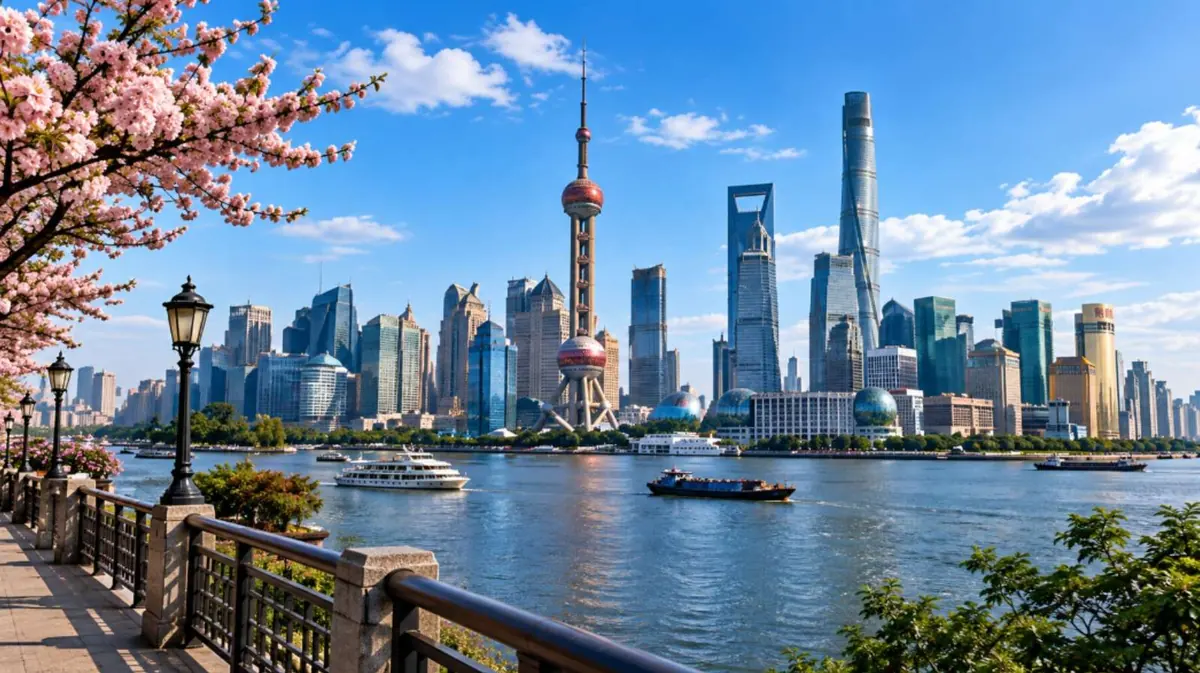
Do the lake shore, canal lanes or Bund promenade early when conditions allow. Reserve the hottest part of the afternoon for a museum, a long meal or a break at the hotel. An evening walk may be more pleasant, but check the opening time of any ticketed site: a garden closing in the late afternoon cannot simply be moved to after dinner.
Shanghai’s municipal weather guide notes that July and August are generally the hottest months and that temperatures have often exceeded 35°C in recent summers. Actual conditions vary, so check the forecast and any official heat warnings each morning. The mid-June to early-July rainy period can bring a different problem: wet shoes and disrupted outdoor plans. Rain is not a reason to abandon a city, but it is a reason to have a second activity.
Build in real indoor time
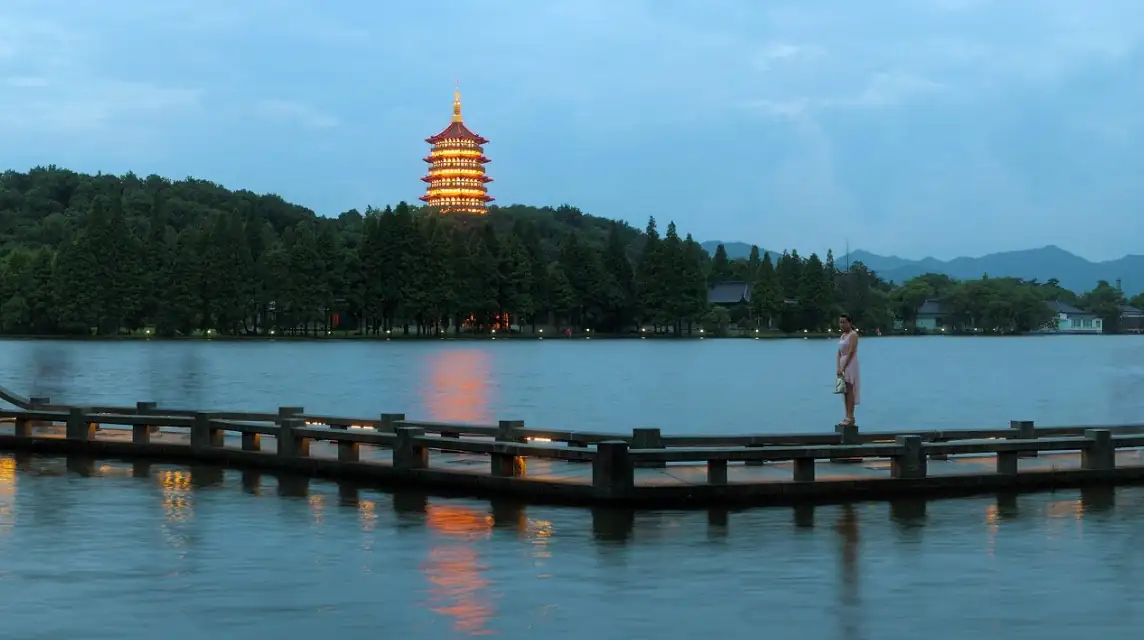
A coffee stop of ten minutes will not reset a long, humid walking day. Put one substantial indoor visit or hotel break into the schedule. For a Shanghai day, a museum can fit between a morning neighborhood walk and a later riverfront visit. Confirm its current hours and reservation policy, especially around holidays. In Hangzhou, decide whether a temple transfer is worth the additional travel if your morning around West Lake has already been tiring.
If you are traveling with children or older relatives, reduce the number of stops further. It is easier to add an optional evening stroll than to recover a day that became unpleasant by midday. Our Shanghai family guide uses that approach.
Keep transfers simple
Hot weather magnifies poor connections. A route with repeated station changes, long walks between metro exits and little shade may cost more energy than the attractions themselves. Group nearby sights and use a direct transfer when it meaningfully improves the day. A guided or private-vehicle itinerary can reduce some transfer friction, but it does not make outdoor heat disappear.
Carry water, protect yourself from the sun and pay attention to local weather alerts. These are ordinary precautions, yet the important planning decision is structural: fewer exposed stops and a place to cool down. If you can choose the season freely, spring and autumn often offer a more comfortable walking experience, though weather is never guaranteed.
See Shanghai’s four-season weather guide for the municipal overview, and compare your dates with China’s public holidays before booking.