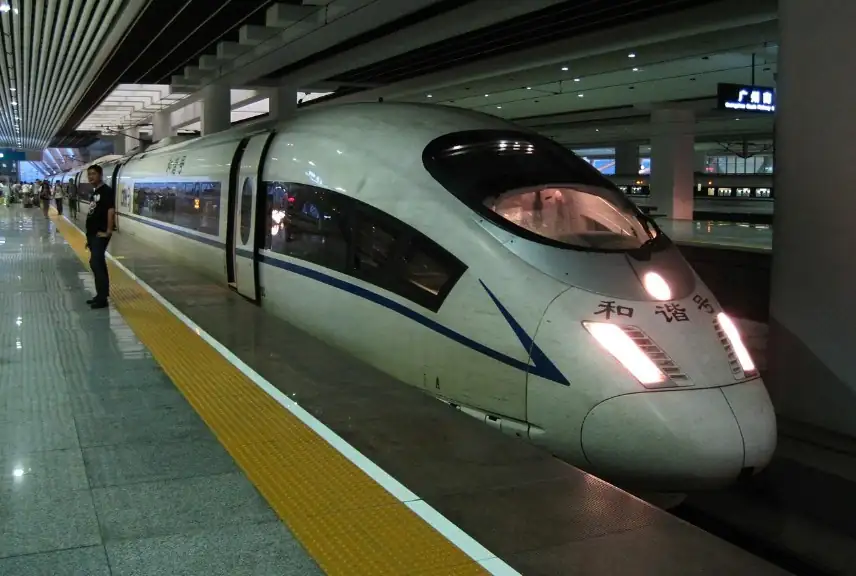
Shanghai, Suzhou and Hangzhou make an appealing first route through eastern China. The rail connections are useful, and each city adds something different: modern urban scale, classical gardens and the landscape around West Lake. Their closeness also tempts travelers to schedule all three as if each were a single attraction. That is where a promising itinerary becomes tiring.

Three days: a taste, with compromises
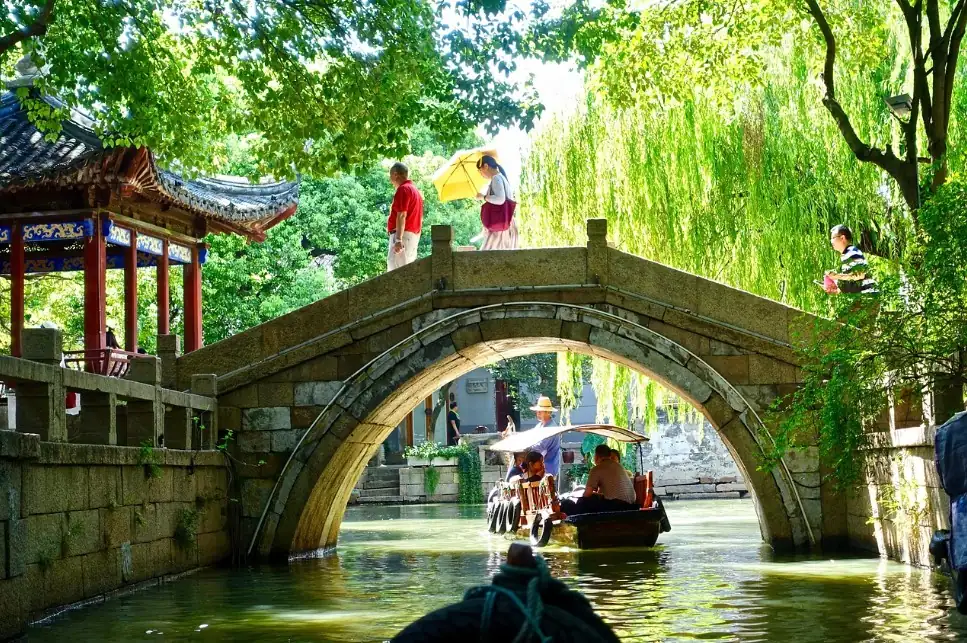
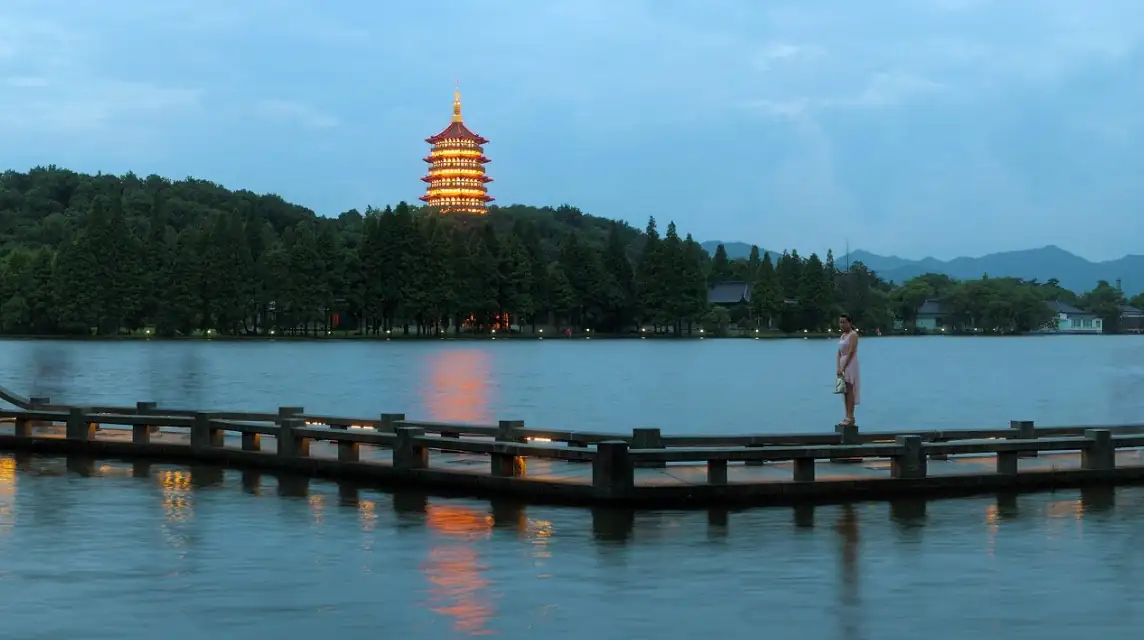
With three full sightseeing days, give Shanghai at least one and use the others for focused visits to Suzhou and Hangzhou. This works best when you already know your arrival and departure logistics and accept that you are sampling each place. In Suzhou, choose a major garden and a canal neighborhood. In Hangzhou, stay near West Lake and add at most one distant stop. Trying to cover every temple, tower and museum will make the transport timetable the main event.
A published three-day Shanghai, Suzhou and Hangzhou tour is one example of a guided route. Read its actual itinerary and inclusions rather than assuming every three-day version covers identical places.
Five days: room to notice the differences
Five days allow two Shanghai days, one Suzhou day and one or two Hangzhou days, depending on your arrival schedule. You can explore Shanghai’s waterfront and a neighborhood separately, then spend a full day on a garden and the canal in Suzhou. An overnight stay in Hangzhou makes an early lakeside walk possible before the day-trip groups arrive. This is a planning suggestion, not a guarantee that a specific attraction will be quiet.
Keep an uncommitted half-day if you can. Weather may make a boat ride unattractive; a museum may require advance reservations; a good meal may last longer than planned. A flexible window protects the experiences you care about most.
Seven days: choose depth over extra transfers
A week can support slower mornings, a second garden, a tea-area visit or time in a smaller neighborhood. The site’s seven-day Shanghai, Suzhou and Hangzhou tour shows one possible distribution. It is still worth asking whether you want every included stop. A longer itinerary is useful because it gives you choices, not because it obliges you to fill every hour.
For independent travel, decide where to sleep before buying every rail segment. Repeated hotel changes consume time; day trips reduce packing but add returns to the same hub. Train tickets with a foreign passport are manageable if you verify your identity and station names ahead of time.
The cities are connected, but they are not identical. Give each a distinct purpose and the route becomes more memorable than a line between stations.